
Executive wellness 2025 represents a fundamental shift from reactive healthcare to proactive longevity optimization. Moreover, for C-suite leaders and high-performing executives, the wellness industry—now valued at $6.3 trillion and projected to reach $9 trillion by 2028—is delivering science-backed interventions that extend both healthspan and cognitive performance well into the seventh and eighth decades of life.
However, this isn’t about spa treatments or generic wellness programs. Instead, executive wellness 2025 is grounded in peer-reviewed research from Harvard, McKinsey, and leading longevity scientists, offering executives measurable protocols to sustain decision-making capacity, energy regulation, and leadership effectiveness across multi-decade careers.
Executive Wellness 2025: The Cognitive Performance Imperative
As an executive, your cognitive performance is your career’s greatest asset. Furthermore, it drives strategy, judgment, innovation, and influence. Nevertheless, chronic stress, sleep deficits, and decision fatigue—endemic to executive life—accelerate cognitive decline and neuroinflammation.
Notably, Harvard Business Review research confirms that CEOs with unmanaged stress and sleep deficits experience up to 20% lower decision accuracy under pressure compared to peers with structured recovery protocols. Additionally, the impact extends beyond individual performance: when leaders suffer health declines, company performance suffers measurably.
Similarly, studies from Stanford and Harvard confirm that chronic cortisol elevation from stress impairs hippocampal volume—the brain region tied to executive memory and reasoning. Consequently, this isn’t abstract neuroscience; it’s a direct threat to leadership capability.

Executive Wellness 2025: Neuroprotective Interventions
Therefore, to address these challenges, leading executives are implementing evidence-based neuroprotective strategies:
- Precision-formulated adaptogens: Rhodiola Rosea and Ashwagandha reduce cortisol while enhancing cognitive performance
- Structured digital decompression: Two 10-minute periods daily to reduce mental clutter and restore executive focus
- Sleep optimization: Leaders consistently achieving less than 6.5 hours show marked drops in prefrontal cortex activity, impairing emotional control, logic, and empathy
- Nootropic supplementation: McKinsey research shows growing consumer demand for cognitive-enhancing substances supporting memory, creativity, and attention
Longevity Science: Executive Wellness 2025 at the Cellular Level
Remarkably, the frontier of executive performance is happening at the cellular level. In fact, researchers like Dr. David Sinclair at Harvard Medical School and Dr. Peter Attia are exploring epigenetic aging, NAD+ metabolism, and telomere stability—all markers tied to cognitive and biological decline.
Moreover, Dr. Attia’s framework suggests that with targeted interventions, cognitive decline can be delayed by 15+ years, even in leadership roles characterized by chronic stress. Furthermore, these aren’t theoretical projections—they’re achievable outcomes using protocols already available to executives committed to longevity.
NAD+ Optimization in Executive Wellness Programs
Specifically, NAD+ (nicotinamide adenine dinucleotide) is a coenzyme critical to cellular energy production and DNA repair. Unfortunately, these levels decline sharply with age, correlating with fatigue, cognitive decline, and metabolic dysfunction—all concerns for high-performing executives.
According to the Global Wellness Summit’s 2025 trends report, NAD+ boosters and senolytics (substances that eliminate “zombie” cells) are gaining significant traction among executives focused on longevity optimization.
In response to this crisis, executives are implementing:
- NAD+ precursor supplementation (NMN, NR)
- IV NAD+ infusions for rapid restoration
- Fasting protocols to stimulate endogenous NAD+ production
- Strength training to preserve muscle mass and metabolic function
Stress Resilience: Core Executive Wellness 2025 Strategy
Importantly, stress resilience is a predictive factor in long-term executive success. In fact, data from the Mayo Clinic shows executives who implement stress-buffering routines are 38% more likely to sustain cognitive performance into their 70s.
However, resilience isn’t about eliminating stress—it’s about rapid recovery. Consequently, elite executives are adopting protocols that accelerate physiological and psychological recovery:

Recovery Protocols in Executive Wellness 2025
Indeed, the Global Wellness Institute reports that nine out of ten people experience sleep problems, with one in three experiencing sleep poverty due to workplace demands and environmental stressors. As a result, these chronic sleep deficits impact cognitive function, increase health risks, and reduce workplace productivity.
Therefore, leading organizations are addressing this through:
- Flexible work arrangements: Supporting personalized recovery rhythms rather than rigid schedules
- Four-day workweeks: Tokyo’s Metropolitan Government is implementing this for public sector employees starting April 2025 to address overwork
- Mandated disconnection: “Right to disconnect” laws protecting workers from after-hours communications are being implemented globally
- Recovery-focused facilities: Executive wellness centers offering cryotherapy, float tanks, and IV recovery lounges
Personalized Longevity Plans: Executive Wellness 2025 Benchmark
Notably, generic wellness programs are obsolete in executive wellness 2025. Instead, the new standard is personalized longevity planning utilizing genetic testing, epigenetic analysis, and biomarkers to create tailored health strategies.
According to the Global Wellness Institute’s lifestyle medicine trends analysis, these plans integrate:
- Genetic testing: Identifying predispositions to cardiovascular disease, cognitive decline, or metabolic disorders
- Epigenetic analysis: Understanding how lifestyle factors are influencing gene expression
- Advanced biomarkers: Tracking inflammatory markers, hormone panels, metabolic function, and biological age versus chronological age
- AI-driven insights: Real-time biological age calculations and behavior-linked intervention recommendations
Furthermore, McKinsey research indicates that up to 60% of consumers across markets report healthy aging as a “top” or “very important” priority, with cultural shifts toward proactive rather than reactive approaches to longevity.
Functional Nutrition: Executive Wellness 2025 Foundation
Similarly, food as preventative medicine is reshaping executive wellness 2025. Rather than simply eliminating problematic foods, executives are seeking nutrition that includes high-value components supporting cognitive function, energy production, and cellular repair.
According to McKinsey’s Future of Wellness survey, functional nutrition now encompasses:
- Nootropic-enhanced foods: Supporting executive functions like memory, creativity, and attention
- Adaptogenic compounds: Helping the body adapt to stress by supporting the adrenal system
- Super greens and mushrooms: Providing dense micronutrient profiles and immune support
- High-quality proteins: Preserving muscle mass and metabolic function
- Fermented foods: Supporting gut microbiome health linked to cognitive function and immune regulation

GLP-1 and Executive Weight Management
Meanwhile, the explosion of GLP-1 medications (Ozempic, Wegovy) has created a parallel market for specialized supplements addressing muscle loss, nutrient imbalances, and digestive issues. Specifically, companies like Elo Health are developing formulations specifically for executives using these medications, ensuring weight loss doesn’t compromise lean muscle mass or cognitive function.
Movement as Medicine: Executive Wellness 2025 Approach
Interestingly, the 2025 approach to executive fitness emphasizes lower-intensity, consistent movement sustainable across decades rather than extreme or episodic activity. Moreover, this aligns with research showing long-term benefits of daily movement on inflammation, telomere length, and executive function.
Specifically, optimal executive movement protocols include:
- Strength training (2-3x weekly): Preserving muscle mass, bone density, and metabolic health
- Zone 2 cardio (4-5x weekly): Low-intensity aerobic work supporting mitochondrial function
- High-intensity intervals (1-2x weekly): Brief, intense efforts supporting cardiovascular adaptation
- Daily walking (8,000-10,000 steps): Supporting metabolic health and cognitive function
- Mobility work: Preserving range of motion and injury prevention
Technology and AI in Executive Wellness 2025
Remarkably, digital health tools are evolving from passive tracking to active clinical utility. In addition, AI-powered longevity platforms now offer real-time biological age calculations, behavior-linked intervention recommendations, and integrated reporting for metabolic, hormonal, and cognitive risk factors.
According to research in The Lancet Digital Health, AI-driven wearables can predict cardiovascular events with 89% accuracy, enabling early intervention. Furthermore, for time-constrained executives, these technologies democratize access to sophisticated health monitoring previously requiring extensive clinical resources.
Consequently, leading executives are using:
- Continuous glucose monitors: Optimizing metabolic health and energy stability
- Sleep tracking devices: Quantifying sleep architecture and recovery quality
- HRV monitors: Assessing autonomic nervous system balance and stress load
- AI wellness platforms: Integrating multiple data streams for comprehensive health optimization
Social Connection: Overlooked Executive Wellness Factor
Surprisingly, the physiologic toll of loneliness includes elevated cortisol levels, impaired immune function, and structural brain changes. Therefore, clinical models are beginning to incorporate social health screening as part of routine executive assessments.
As a result, innovative approaches include:
- Group-based health interventions and peer support networks
- Executive mastermind groups focusing on health and longevity
- Social connection initiatives within organizations
- Structured relationship-building as part of wellness protocols
Career Longevity: Executive Wellness 2025 Endgame
Notably, Harvard Business School research shows that executives who lead effectively into their 70s score higher on adaptability, trust-building, and long-term decision-making than younger counterparts. However, the key isn’t working harder—it’s structuring leadership careers like long-term assets.
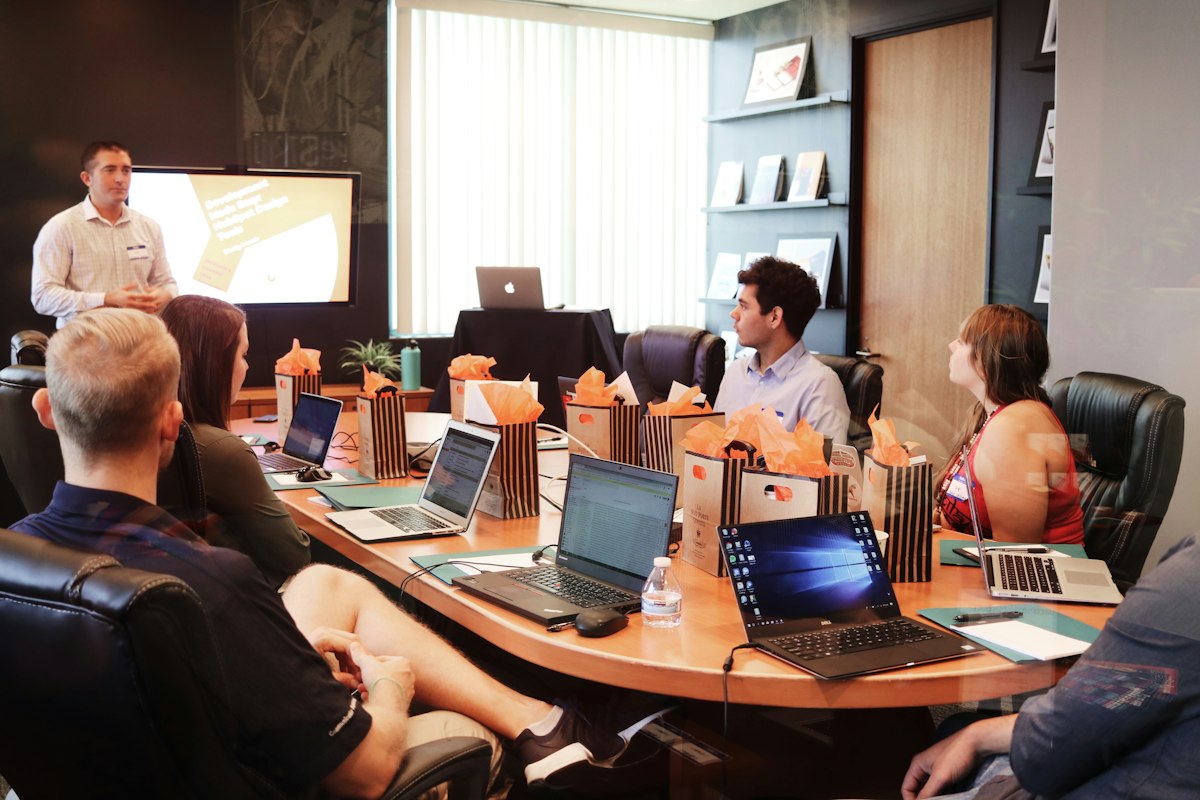
Therefore, strategic career longevity planning includes:
- Designing multi-decade career arcs with evolution, not just repetition
- Planning 5-year sprints with structured recharge phases
- Shifting toward strategic guidance and mentorship roles after age 60
- Incorporating health durability into succession planning
Additionally, savvy leaders ensure succession plans include health continuity provisions. Otherwise, abrupt health-based exits create organizational instability and valuation risk—both avoidable with proper planning.
The Bottom Line: Executive Wellness 2025
In summary, executive wellness 2025 is defined by evidence-based longevity interventions:
- Cognitive optimization through neuroprotective protocols and sleep optimization
- Cellular-level interventions (NAD+, senolytics, epigenetic analysis)
- Stress resilience and structured recovery protocols
- Personalized longevity plans using genetic and biomarker data
- Functional nutrition emphasizing cognitive and metabolic support
- Sustainable movement protocols preserving long-term function
- AI-powered health monitoring and predictive interventions
- Social connection as a measurable health factor
- Strategic career planning incorporating health durability
Clearly, the executives investing in these capabilities today aren’t just extending lifespan—they’re compressing morbidity, sustaining cognitive performance, and building the physiological foundation for multi-decade leadership careers that would have been impossible a generation ago.
Ultimately, as the wellness industry accelerates toward $9 trillion, the question for executives isn’t whether to invest in longevity—it’s how quickly to implement the protocols that separate those who fade at 60 from those who thrive at 75.
Want to contribute insights about executive wellness trends or explore partnership opportunities with HealthyGuru? Contact us at [email protected].