

Hamptons executive wellness has transformed the East Coast playground into a year-round destination for high-net-worth…
Month: January 2026

Luxury wellness destinations represent the fastest-growing segment of the $6.8 trillion global wellness economy, with…

The Promising Science and Regulatory Reality
Peptide protocols represent one of longevity medicine’s most promising yet controversial frontiers, with compounds like BPC-157 and Thymosin Beta-4 generating intense interest alongside FDA crackdowns restricting their availability. These short amino acid chains target specific cellular mechanisms with precision impossible through broader interventions. However, anyone considering peptide therapy must navigate a landscape where compelling preclinical data meets limited human evidence and evolving regulatory constraints.
A 2025 systematic review in HSS Journal examining BPC-157 for musculoskeletal healing identified only one published clinical study assessing intra-articular knee injections in humans. The contrast between extensive animal research and sparse human trials defines the current state of peptide science.
Understanding Peptides in Longevity Medicine
What Peptides Are
Peptides are short chains of amino acids—the same building blocks forming proteins—that act as signaling molecules throughout the body. Unlike broader supplements or pharmaceuticals, peptides can target specific receptors and pathways with high precision. This specificity makes them attractive for therapeutic applications but also explains their regulatory complexity.
Endogenous peptides naturally occurring in the body include insulin (blood sugar regulation), oxytocin (social bonding), and growth hormone releasing hormone (GHRH). Therapeutic peptides attempt to modulate these natural systems or introduce synthetic compounds mimicking beneficial biological activities.
Categories of Longevity Peptides
Tissue Repair Peptides: BPC-157 and TB-500 (Thymosin Beta-4) are the most discussed in longevity circles. Preclinical research suggests they accelerate healing of muscles, tendons, ligaments, and gut tissue through mechanisms including angiogenesis (new blood vessel formation), reduced inflammation, and enhanced cellular migration.
Immune Modulators: Thymosin Alpha-1 has been studied in multiple randomized controlled trials for conditions including sepsis, viral infections, and immune enhancement during chemotherapy. While not FDA-approved in the US, thymalfasin (the pharmaceutical version) is approved for therapeutic use in over 35 countries.
Growth Hormone Secretagogues: CJC-1295 and Ipamorelin stimulate natural growth hormone release. The World Anti-Doping Agency prohibits these compounds as performance-enhancing substances, reflecting their physiological potency and associated risks.
Neuroprotective Peptides: Semax and Selank, developed in Russia, target cognitive function and anxiety. Research suggests potential benefits, though data quality varies and US regulatory approval is absent.
The Evidence Landscape
What the Research Shows
BPC-157 demonstrates robust regenerative and cytoprotective effects in preclinical studies. Animal research shows decreased healing time across various tissues including skin, muscle, tendons, ligaments, nerves, bones, and gastrointestinal tract. The compound appears to influence blood vessel growth and nitric oxide pathways important for repair and inflammation.
A 2021 retrospective study compared knee injections using BPC-157 alone versus BPC-157 combined with Thymosin Beta-4. Both groups reported subjective improvement, though the study design limits conclusion strength. A 2025 pilot study involving two healthy adults who received intravenous BPC-157 infusions primarily reported short-term tolerability rather than efficacy outcomes.
The gap between animal promise and human evidence remains the fundamental challenge. As the Atria Institute notes, there are no high-quality, long-term human studies demonstrating improved healthspan or survival for popular wellness peptides.
What the Research Doesn’t Show
No randomized controlled trials validate BPC-157, TB-500, or similar peptides for human longevity applications. Safety profiles in humans remain poorly characterized. Optimal dosing, administration routes, and treatment durations derive from animal studies and practitioner experience rather than clinical trials.
Bryan Johnson discontinued certain peptide experiments after finding limited measurable benefits despite theoretical promise. This willingness to abandon interventions lacking demonstrated value distinguishes rigorous experimentation from wishful supplementation.
Regulatory Status and Restrictions
FDA Actions
The FDA has significantly restricted compounding of many peptides over recent years. Substances flagged include BPC-157, LL-37, DSIP, epitalon, injectable GHK-Cu, and Thymosin Beta-4 fragments. The agency cites concerns about impurities, immune reactions, proper characterization, and limited safety data.
CJC-1295 and Ipamorelin carry separate FDA flags with reported serious events. The November 2025 analysis from Safe Harbor Group documented these restrictions and their impact on patient access.
The FDA’s position categorizes many peptides as “do not compound,” effectively removing them from legal medical practice for compounding pharmacies. This regulatory stance reflects the agency’s view that unproven compounds with potential risks shouldn’t be widely administered.
Legal Access Options
Certain peptides remain available through legitimate channels. FDA-approved peptides include semaglutide (GLP-1 agonist for diabetes and weight loss), tesamorelin (for HIV-associated lipodystrophy), and various diagnostic peptides. These have completed full regulatory pathways including human clinical trials.
Research institutions can access peptides for legitimate scientific investigation. Some patients access compounds through clinical trials. International availability varies—Thymosin Alpha-1 is approved in dozens of countries outside the US.
If You’re Considering Peptide Therapy
Essential Precautions
Work with qualified medical professionals experienced in peptide protocols. Self-administration of compounds obtained through grey market sources carries significant risks including product contamination, incorrect dosing, and lack of medical oversight for adverse reactions.
Understand that peptide therapy for longevity applications remains investigational regardless of marketing claims. The US Anti-Doping Agency classifies BPC-157 as an unapproved drug and prohibited substance. Product sources lacking regulatory oversight may contain impurities or incorrect compounds.
Questions to Ask Providers
What human clinical evidence supports this specific application? What are the known and potential risks? Where does the compound come from, and what quality testing has been performed? What monitoring will be done during treatment? What outcomes will we measure to assess effectiveness?
Providers unable to answer these questions clearly may be operating on enthusiasm rather than evidence. The complexity of peptide therapy requires genuine expertise and transparent communication about limitations.
Realistic Expectations
Short-term outcomes (4-8 weeks) might include improved recovery, sleep quality, or subtle energy changes. Medium-term results (3-6 months) could show body composition shifts or enhanced healing. Long-term benefits remain speculative given limited longitudinal data.
Results vary widely based on individual factors including genetics, baseline health, and protocol adherence. What works dramatically for one person may be imperceptible for another. Measuring biomarkers before, during, and after treatment helps assess individual response rather than assuming benefits.
The Path Forward
Ongoing Research
Clinical trials examining peptides for various applications continue advancing knowledge. The longevity field increasingly recognizes the need for rigorous human studies to validate or refute preclinical promise. Organizations like Atria and academic medical centers are working to generate better evidence.
A Balanced Perspective
Peptides likely represent a genuine therapeutic frontier—the precision targeting of specific biological pathways offers capabilities beyond traditional pharmaceuticals. However, the current state of evidence doesn’t support widespread adoption for longevity purposes.
The most defensible approach treats peptide therapy as genuinely investigational: potentially valuable but unproven. Prioritize interventions with established evidence (sleep, exercise, nutrition). Consider peptides only with proper medical supervision, realistic expectations, and clear outcome tracking. Remain skeptical of dramatic claims unsupported by clinical data.
As research advances and regulatory frameworks evolve, the peptide landscape will likely clarify. For now, optimizing proven fundamentals delivers more certain benefit than pursuing promising but unvalidated interventions.

Measuring Your True Age
Biological age testing has transformed from research curiosity into mainstream longevity tool, with epigenetic clocks now able to predict mortality risk more accurately than chronological age alone. A December 2025 study in Nature Communications comparing 14 epigenetic clocks across 18,859 individuals confirmed that second and third-generation clocks significantly outperform earlier versions in predicting disease outcomes. Understanding these tests enables tracking whether longevity interventions actually work.
The Buck Institute released a new “IC Clock” in June 2025 that measures intrinsic capacity across six key functions—mobility, cognition, mental health, vision, hearing, and nutrition—outperforming all previous clocks in predicting overall mortality. The field advances rapidly, with testing now accessible through consumer services starting around $300.
Understanding Biological vs. Chronological Age
The Fundamental Distinction
Chronological age measures time since birth—a fixed number advancing one year annually. Biological age measures functional state—how well your cells, tissues, and organs perform relative to population averages. Two people sharing a birthday can have biological ages differing by decades based on genetics, lifestyle, and cumulative health choices.
Bryan Johnson, chronologically 48, claims biological age measurements showing certain organs functioning at levels typical of much younger individuals. Whether these measurements predict actual longevity outcomes remains an active research question, but the consistency of his biomarker improvements suggests meaningful biological change.
Why Biological Age Matters
Biological age better predicts health outcomes than chronological age. Research consistently shows that individuals with biological ages younger than their chronological age experience lower disease risk and mortality, while those biologically older face elevated risks. This predictive power makes biological age valuable for both individual health decisions and intervention research.
For longevity interventions, biological age provides feedback impossible to obtain otherwise. Waiting 30 years to see if an intervention extends lifespan isn’t practical. Biological age changes measurable over months or years offer surrogate endpoints indicating whether protocols work.
Types of Biological Age Tests
Epigenetic Clocks (DNA Methylation)
The gold standard for biological age assessment, epigenetic clocks measure predictable changes in DNA methylation patterns that accumulate with age. Methylation is a chemical modification affecting gene expression without altering DNA sequence itself. These patterns shift so consistently that mathematical models can estimate age from methylation data alone.
First-Generation Clocks (Horvath, Hannum): Developed around 2013, these pioneering clocks estimate chronological age from methylation patterns. Horvath’s clock analyzes 353 methylation sites across multiple tissue types. Hannum’s clock focuses on 71 sites in blood samples. While groundbreaking, these clocks have limited predictive power for health outcomes.
Second-Generation Clocks (PhenoAge, GrimAge): These clocks train on health outcomes rather than just age, making them better predictors of disease and mortality. GrimAge, developed in 2019, combines methylation data with smoking history and plasma protein markers to predict lifespan and healthspan with remarkable precision.
Third-Generation Clocks (DunedinPACE, IC Clock): The latest generation measures pace of aging rather than just biological age—how quickly you’re aging right now. DunedinPACE provides a speedometer rather than odometer reading. The 2025 IC Clock incorporates functional capacity measures, representing the current cutting edge.
Telomere Length Testing
Telomeres—protective caps on chromosome ends—shorten with cell division and age. Shortened telomeres associate with aging and disease. However, telomere testing shows more variability and less predictive power than epigenetic clocks. A 2025 study in Genome Medicine found epigenetic clocks consistently outperformed telomere measurements for age and mortality prediction.
Telomere tests cost $100-300 and provide a single data point rather than comprehensive assessment. They may be useful alongside other measures but shouldn’t serve as primary biological age indicators.
Composite Biomarker Panels
Some services calculate biological age from combinations of traditional biomarkers: blood pressure, cholesterol, glucose, inflammatory markers, kidney and liver function. These panels provide useful health information but lack the precision of epigenetic testing. They’re often included in comprehensive health assessments alongside other measures.
Available Testing Services
Consumer-Accessible Options
TruAge (TruDiagnostic): Comprehensive epigenetic testing including multiple clock algorithms. Prices start around $500-600 for complete panels. Provides DunedinPACE (pace of aging), biological age estimates, and detailed methylation analysis.
Elysium Index: Consumer test based on epigenetic analysis, approximately $300-500. Provides biological age estimate and comparison to population averages.
EpiAge: Newer test announced in January 2025 using simplified methodology focused on three DNA sites in the ELOVL2 gene. Works with both blood and saliva samples, making testing more accessible. Researchers validated accuracy against established clocks across 4,600+ individuals including those with Alzheimer’s and HIV.
Clinical Testing
Longevity clinics like Human Longevity Inc., Fountain Life, and academic medical centers offer comprehensive biological age assessments as part of executive health evaluations. These typically include epigenetic testing alongside extensive imaging, genetic analysis, and biomarker panels. Costs range from $3,000-15,000 depending on comprehensiveness.
Interpreting Your Results
What the Numbers Mean
Biological age results typically express estimated age in years, allowing comparison to chronological age. A 45-year-old with biological age of 40 shows favorable aging; the same individual with biological age of 52 shows accelerated aging requiring intervention.
Pace of aging metrics (like DunedinPACE) express aging speed relative to baseline. A score of 1.0 indicates aging at average pace; below 1.0 indicates slower aging; above 1.0 indicates faster aging. These metrics may be more sensitive to intervention effects than point-in-time biological age estimates.
Factors Affecting Results
Multiple variables influence biological age measurements. Acute illness or stress can temporarily elevate biological age. Recent travel, poor sleep, or intense exercise may affect results. Testing during stable health periods provides more representative baselines.
Research shows biological age can fluctuate in response to stressors and recover afterward. A 2023 study found biological age increased during major surgery and pregnancy but returned toward baseline following recovery. This fluidity suggests biological age responds to interventions but also to temporary perturbations.
Using Results to Guide Interventions
Baseline testing establishes starting point for tracking progress. Repeat testing every 6-12 months measures intervention effectiveness. Look for trends rather than single readings—natural variation means individual tests carry uncertainty.
If biological age exceeds chronological age, prioritize foundational interventions: sleep optimization, exercise implementation, nutritional improvement, stress management. The CALERIE trial demonstrated that caloric restriction reduced pace of aging measured by DunedinPACE. Other research links various interventions to biological age changes, providing evidence for protocol design.
Limitations and Controversies
What Tests Don’t Tell You
Biological age tests estimate statistical risk, not destiny. An individual with favorable biological age can still develop disease; someone with unfavorable results may live healthily for decades. These tools inform probabilities, not certainties.
A December 2025 paper in npj Aging questioned whether aging clocks provide actionable advantages over simpler risk scores and direct outcome predictors. The authors argue clocks often face inconsistent clinical validation and ignored prediction uncertainty. These legitimate scientific debates remind us that biological age testing, while valuable, remains an evolving field.
Ethical Considerations
The American Medical Association’s Journal of Ethics published December 2025 analysis of epigenetic testing ethics. Concerns include patient misunderstanding of results, psychological harm from unfavorable findings, and potential age-related discrimination if biological age data influences employment or insurance. Transparency about test limitations remains essential.
Getting Started with Biological Age Testing
Pre-Testing Preparation
Test during periods of stable health—avoid testing while sick, extremely stressed, or recovering from major events. Follow provider instructions regarding fasting or timing requirements. Document current lifestyle factors (sleep quality, exercise, diet, supplements) to contextualize results.
Post-Testing Action
Review results with qualified professionals who can interpret findings in context. Develop intervention priorities based on results and broader health assessment. Schedule follow-up testing in 6-12 months to measure progress.
Whether results show favorable or unfavorable biological age, the response remains similar: optimize foundational behaviors, address identified risk factors, and track progress over time. Biological age testing provides valuable feedback on the effectiveness of longevity protocols, enabling data-driven optimization.

Performance Optimization for High Achievers
Executive longevity protocols have emerged as a strategic priority for organizations recognizing that leadership health directly impacts business performance. A National Bureau of Economic Research study found that CEOs exposed to high stress aged visibly faster and lived shorter lives, with those facing industry downturns seeing life expectancy drop by 1.5 years. When your most valuable assets are your leaders, protecting their healthspan isn’t optional—it’s risk management.
Harvard Business School research confirms that executives with unmanaged stress and sleep deficits show up to 20% lower decision accuracy under pressure compared to peers implementing recovery protocols. The question facing ambitious leaders isn’t whether longevity optimization matters—it’s how to implement protocols that fit within 60+ hour work weeks and constant travel demands.
The Executive Health Imperative
Key Person Risk
When a high-performing leader declines physically or mentally, consequences cascade through organizations. Decision velocity slows. Team confidence wavers. Investor trust erodes. Enterprise value suffers. Smart organizations now recognize that extending functional lifespan of top leadership drives shareholder value as meaningfully as any capital investment.
Companies like Delta Air Lines have made Chief Health Officer roles permanent. EY appointed a Chief Well-Being Officer. BioAro welcomed the world’s first Chief HealthSpan Officer. The C-suite treatment of health as strategic asset rather than personal concern represents a fundamental shift in corporate thinking.
The CEO Health Paradox
Executives often possess resources for optimization but lack time for implementation. Long hours, constant travel, high stress, and endless demands push wellness to the bottom of perpetually overflowing priority lists. The irony: the leaders most able to afford comprehensive protocols are often least able to execute them.
Effective executive protocols must therefore optimize for time efficiency alongside health outcomes. Every intervention must justify its time investment through measurable returns.
The Executive Optimization Framework
Non-Negotiable Foundations
Sleep Protection: Mayo Clinic data shows executives who implement stress-buffering routines are 38% more likely to sustain cognitive performance into their 70s. Protecting 7-8 hours of sleep delivers greater cognitive ROI than any additional working hour. Implement consistent sleep timing even when traveling across time zones. Use blackout curtains, white noise, and temperature control to optimize any hotel room.
Movement Integration: Rather than dedicating hours to gym sessions that rarely survive schedule pressures, integrate movement throughout the day. Walking meetings, hotel room resistance band workouts, and airport terminal walks accumulate meaningful exercise volume. Peter Attia recommends 10 hours weekly across various training modalities—executives often need creative scheduling to approach this target.
Nutritional Defense: Business meals, airport food, and client dinners present constant nutritional challenges. Establish defensive strategies: protein-first ordering (seafood, quality meats), vegetable additions to every meal, strategic fasting during travel, and avoiding the bread basket and dessert cart by default.
Executive-Grade Diagnostics
Human Longevity Inc. offers Executive Health assessments starting at $8,000, including whole genome sequencing, full-body MRI, cardiac imaging, and advanced biomarker panels. These comprehensive evaluations identify risks invisible to standard checkups—early-stage cancers, cardiovascular plaque accumulation, metabolic dysfunction, and genetic predispositions.
The investment case is straightforward: catching disease early often means the difference between simple treatment and complex intervention, between maintained productivity and extended absence, between continued leadership and succession scrambles.
Memorial Longevity Clinic and similar facilities now offer corporate partnership programs bringing advanced screening to leadership teams. Fountain Life memberships ($6,000-15,000 annually) provide ongoing monitoring with quarterly biomarker panels and annual imaging.
Recovery Technology Stack
Executives increasingly deploy technology to accelerate recovery from travel and stress. Evidence-based options include cold exposure (reduces inflammation, improves sleep, sharpens mental clarity), PEMF therapy (supports cellular recovery and neuroregeneration), and red light therapy (enhances mitochondrial function and tissue repair).
Home devices enable recovery without additional time cost. Red light panels used during morning routines, cold plunge pools for post-exercise recovery, and sleep optimization devices (Eight Sleep mattress pads, for instance) integrate optimization into existing schedules.
Time-Efficient Protocol Design
The 5-Hour Weekly Investment
A realistic executive protocol delivering meaningful outcomes requires approximately 5 hours weekly. Allocation across a typical week might include three 45-minute Zone 2 cardio sessions (during calls, treadmill desk, or dedicated), two 30-minute strength sessions (hotel room or home), and daily 10-minute morning routines (cold shower, red light, supplements).
This investment yields measurable improvements in energy, cognitive performance, stress resilience, and biomarkers. The return exceeds the time cost through enhanced decision quality, reduced sick days, and extended productive years.
Travel Optimization
Business travel presents unique challenges requiring specific strategies. Pre-flight protocols include hydration loading, compression socks for long flights, and avoiding alcohol (which compounds dehydration and sleep disruption). In-flight, continue hydration, perform seated exercises, and use noise-canceling headphones for rest periods.
Upon arrival, immediate light exposure helps reset circadian rhythm. Brief exercise (even 10 minutes) accelerates adjustment. Melatonin timing (0.5-3mg taken 2-3 hours before desired sleep time) assists westward travel. Eastward travel typically requires morning light exposure and avoiding afternoon naps.
Stress Resilience Building
Chronic executive stress accelerates biological aging through cortisol dysregulation, immune suppression, and metabolic dysfunction. Building stress resilience requires both physiological and psychological approaches.
Heart rate variability (HRV) training through breathing exercises improves autonomic nervous system regulation. Even 5-minute daily practices (box breathing, resonance breathing) measurably improve stress resilience over weeks. Wearables tracking HRV provide feedback on recovery status, helping executives recognize when additional recovery is needed.
Corporate Program Implementation
Program Design Considerations
Effective executive health programs balance comprehensiveness with accessibility. Local providers often deliver comparable care to prestigious distant clinics (Mayo, Cleveland) without multi-day travel requirements. Executive physicals typically cost $2,000-5,000, with premium options reaching $10,000 at luxury providers.
Programs should include comprehensive annual assessments, quarterly biomarker tracking, concierge physician access for ongoing concerns, and mental health support given executive stress levels. Flexibility matters—rigid programs fail when schedules inevitably shift.
ROI Documentation
Organizations increasingly track executive health investments against measurable outcomes: reduced healthcare claims, decreased sick days, improved performance metrics, and extended tenure. Early detection of serious conditions (cardiovascular disease, early-stage cancers) generates particularly significant cost avoidance through simpler treatment pathways.
The Longevity-Leadership Connection
Peter Attia’s concept of the “marginal decade” applies directly to leadership longevity. The capacity executives build now determines whether their later career years involve continued contribution or declining performance. Training for the “Centenarian Decathlon”—maintaining physical and cognitive capabilities through later life—ensures leadership impact extends beyond typical retirement constraints.
Marc Benioff (Salesforce) and Dan Schulman (PayPal) openly prioritize health optimization, recognizing that extended functional capacity enables extended impact. Kenneth Ryan’s appointment as Chief Longevity Officer at The Estate, bringing 27 years of Marriott experience, demonstrates luxury hospitality’s integration of longevity into premium experiences.
For executives, longevity isn’t vanity—it’s strategy. The investments in healthspan today compound into decades of continued leadership, influence, and impact.

Maximum Optimization at Minimum Cost
Biohacking on a budget requires distinguishing between high-impact fundamentals and expensive extras that deliver marginal returns. While Bryan Johnson spends $2 million annually on his longevity protocol, the science consistently shows that foundational behaviors account for the majority of health outcomes. This guide identifies the interventions delivering the greatest benefit per dollar, enabling meaningful optimization without luxury price tags.
Dave Asprey, often called the “Father of Biohacking,” emphasizes that effective biohacking doesn’t require stem cell injections or cryotherapy chambers. The most potent interventions relate to foundational biological processes that cost virtually nothing to optimize. McKinsey and the Global Wellness Institute both identify longevity and biohacking as major 2025 wellness trends, with accessibility becoming increasingly important as mainstream interest grows.
The Free Foundation Tier
Sleep Optimization ($0)
Sleep represents the single most powerful free intervention available. Bryan Johnson prioritizes sleep above all other protocols, and research consistently validates this hierarchy. Optimizing sleep costs nothing beyond commitment.
Implement these zero-cost sleep strategies: maintain consistent bed and wake times (even weekends), avoid caffeine 8+ hours before bed, limit blue light exposure after sunset, keep the bedroom cool (65-68°F), ensure complete darkness, and avoid alcohol which fragments sleep architecture despite sedative effects.
Time-Restricted Eating ($0)
Compressing eating into shorter windows (typically 8-12 hours) enhances autophagy—cellular cleanup processes—and improves metabolic flexibility. Multiple clinical trials demonstrate benefits for blood glucose, insulin sensitivity, and inflammatory markers.
Start by eliminating late-night eating, then progressively narrow your eating window. Bryan Johnson eats between 6 AM and 11 AM, though gentler windows (10 AM to 6 PM, for instance) deliver similar benefits. The intervention costs nothing and may actually reduce food spending.
Cold Exposure ($0)
Cold showers activate brown fat, reduce inflammation, improve mood, and build stress tolerance. Clinical research supports these benefits. Implementation requires only willingness—end showers with 30-60 seconds of cold water, progressively extending duration as tolerance builds.
For those near natural bodies of water, cold water swimming provides enhanced benefits. Ice baths can be improvised using chest freezers or large tubs filled with ice, though even cold showers deliver meaningful results.
Sunlight Exposure ($0)
Morning sunlight exposure within 30-60 minutes of waking sets circadian rhythm, improves sleep quality, and supports vitamin D synthesis. Andrew Huberman, Stanford neuroscientist and popular biohacking voice, emphasizes this intervention as foundational.
Aim for 10-30 minutes of direct sunlight exposure to eyes (no sunglasses) and skin early in the day. This single habit influences sleep quality, mood, and metabolic function through multiple pathways.
The Budget Tier ($50-200/month)
Foundational Supplements ($40-80/month)
A targeted supplement stack covers common deficiencies without premium pricing. Essential components include Vitamin D3 with K2 ($10-15/month), omega-3 fish oil ($15-25/month), magnesium ($10-15/month), and creatine monohydrate ($10-15/month). These four compounds address widespread deficiencies and deliver consistent benefits across research studies.
Avoid proprietary blends with undisclosed ingredients. Generic forms of well-researched compounds deliver identical benefits at fraction of branded costs. Third-party testing verification (NSF, USP, Informed Sport) ensures quality without premium pricing.
Basic Tracking ($30-50/month)
Wearables democratize biometrics previously requiring clinical visits. Apple Watch, basic Fitbit, or smartphone apps track sleep patterns, activity levels, and heart rate variability. While premium trackers like Oura Ring ($300 plus $6/month subscription) provide more detailed sleep staging, budget alternatives capture the essential data.
Free apps like Sleep Cycle use smartphone sensors for sleep tracking. Strava or similar free apps log exercise without paid subscriptions. The key is consistent measurement enabling trend identification rather than absolute precision.
Home Exercise ($0-100/month)
Resistance training and Zone 2 cardio require minimal equipment. Resistance bands ($20-50 for a set) enable full-body strength training anywhere. A pull-up bar ($30-50) adds compound movement capability. Walking or cycling for Zone 2 cardio costs nothing.
YouTube provides unlimited free workout programming. Progressive calisthenics programs build strength using bodyweight alone. The barrier isn’t equipment—it’s consistency. Optimize commitment before optimizing equipment.
The Optimization Tier ($200-500/month)
Advanced Tracking ($50-100/month)
Oura Ring or WHOOP subscriptions provide detailed sleep staging and recovery metrics. Continuous glucose monitors like Levels or Ultrahuman ($150-200/month) reveal personalized food responses impossible to determine otherwise.
Consider CGM for 2-4 week learning periods rather than ongoing monitoring. Once you identify your personal trigger foods and optimal eating patterns, continuous tracking becomes less essential.
Quarterly Blood Panels ($75-150/quarter)
Services like InsideTracker, Function Health, or direct-to-consumer testing provide comprehensive biomarker panels without physician visits. Annual or quarterly testing tracks intervention effectiveness and identifies issues before symptoms appear.
Focus on key markers: complete metabolic panel, lipid panel (including apoB if available), inflammatory markers (hs-CRP), thyroid function, and vitamin D levels. This core panel covers major risk factors at reasonable cost.
Home Recovery Tools ($100-300 one-time)
Percussive massage devices (Theragun alternatives run $50-100) accelerate recovery. Foam rollers ($20-40) address tissue quality. Infrared sauna blankets ($200-600) provide heat therapy benefits without traditional sauna installation costs.
Ben Greenfield demonstrates budget biohacking alternatives including sprouting kits ($10-20) for nutrient-dense food production, yoga trapeze systems ($100) for flexibility work, and DIY cold plunge setups using chest freezers.
Strategic Investment Priorities
High ROI Investments
Sleep environment optimization delivers outsized returns. Blackout curtains ($30-100), quality pillows ($50-150), and temperature control investment compound nightly. These one-time purchases improve every subsequent night’s sleep.
Quality protein sources justify premium pricing given muscle preservation importance. Prioritize food quality for staples consumed daily while accepting conventional options for occasional items.
Low ROI Expenses to Avoid
Proprietary supplement blends often charge premium prices for common ingredients in undisclosed quantities. Compare active ingredient amounts rather than brand names. Generic creatine monohydrate performs identically to branded versions at 20% of the cost.
Avoid shiny devices lacking evidence. Many marketed “biohacking gadgets” have limited research support despite compelling marketing. Wait for independent validation before investing in novel devices.
The Biohacker’s Budget Framework
Phase 1: Optimize Free Foundations (Months 1-2)
Implement sleep hygiene, establish exercise habit, begin time-restricted eating, add morning sunlight exposure, and incorporate cold shower finishes. Track progress using free smartphone apps. Zero added cost, significant impact.
Phase 2: Add Budget Supplements (Months 3-4)
Introduce foundational supplements: Vitamin D3/K2, omega-3s, magnesium, creatine. Approximate cost: $50-80 monthly. Continue free foundations while measuring energy, sleep quality, and recovery improvements.
Phase 3: Implement Tracking (Months 5-6)
Add wearable tracking for objective sleep and activity data. Consider temporary CGM use to map personal glucose responses. First blood panel to establish biomarker baselines. Total investment now approximately $150-250 monthly including one-time testing costs.
Phase 4: Selective Optimization (Month 7+)
Based on data from previous phases, invest strategically in areas showing room for improvement. Poor sleep metrics? Prioritize sleep environment upgrades. Recovery issues? Add home recovery tools. Personalize investment based on your individual limiting factors rather than generic recommendations.
The Bottom Line on Budget Biohacking
The science is clear: foundational behaviors drive the majority of longevity outcomes. Sleep, exercise, nutrition timing, and stress management cost nothing to optimize. Adding targeted supplements, basic tracking, and periodic testing enhances results modestly at reasonable cost.
The expensive interventions—peptides, hyperbaric oxygen, full-body MRIs, dedicated medical teams—deliver marginal additional benefit for most people. They represent the difference between 95% and 98% optimization rather than the difference between baseline and meaningful improvement.
Start free. Add strategically. Measure obsessively. Adjust based on data. This framework enables legitimate biohacking on virtually any budget.

From Bestseller to Action Plan
Peter Attia Outlive became the definitive longevity manual when it hit #1 on the New York Times bestseller list in 2023, fundamentally reshaping how health-conscious individuals approach aging. The Stanford-trained physician and NIH surgical oncology fellow distilled decades of research into a framework he calls Medicine 3.0—a proactive, personalized strategy that targets the “Four Horsemen” of aging before they strike. This implementation guide translates Attia’s principles into actionable protocols you can start today.
In his November 2025 appearance on 60 Minutes, Attia emphasized the concept of the “marginal decade”—the final chapter of life that current choices determine. His message resonates: the capacity you build now determines whether your later years involve independence or decline. Implementation begins with understanding the framework.
The Medicine 3.0 Framework Explained
Shifting from Reactive to Proactive
Traditional medicine (what Attia calls Medicine 2.0) waits for disease symptoms before intervening. Medicine 3.0 acts decades earlier, using advanced diagnostics and lifestyle interventions to prevent the conditions that kill most people. The philosophy emphasizes doing something now rather than waiting until problems become urgent.
Attia’s Austin-based clinic exemplifies this approach. Patients undergo two-day comprehensive evaluations including VO2 max testing, strength assessments, mobility screening, DEXA scans, and detailed biomarker panels. These metrics reveal functional capacity and predict long-term health trajectories more accurately than standard checkups.
The Four Horsemen
Attia identifies four conditions responsible for the vast majority of deaths and disability in developed nations: cardiovascular disease, cancer, neurodegenerative disease (primarily Alzheimer’s), and type 2 diabetes with related metabolic dysfunction. Each horseman shares common upstream causes including chronic inflammation, metabolic dysfunction, and insulin resistance.
The implementation strategy targets these shared pathways rather than treating each disease separately. Interventions improving metabolic health simultaneously reduce risk across multiple conditions, creating compounding protective effects.
Implementing the Four Tactical Pillars
Pillar 1: Exercise Protocol
Attia considers exercise the most potent longevity intervention available—more powerful than any drug or supplement. His protocol allocates approximately 10 hours weekly across four training zones:
Zone 2 Cardio (3-4 hours/week): Low-intensity aerobic training where you can maintain conversation. This develops mitochondrial density, improves fat oxidation, and enhances insulin sensitivity. Walking, cycling, or swimming at 60-70% maximum heart rate delivers these benefits.
VO2 Max Training (1-2 hours/week): High-intensity intervals pushing cardiovascular capacity. Attia cites research showing VO2 max as one of the strongest mortality predictors. Target the top quartile for your age through progressively challenging interval sessions.
Strength Training (3-4 hours/week): Resistance work preserving muscle mass and bone density. Focus on compound movements (squats, deadlifts, presses, rows) that build functional strength for real-world activities.
Stability Work (1-2 hours/week): Often neglected, stability training prevents injuries and maintains movement quality. Attia emphasizes cultivating safe movement patterns and neuromuscular control.
Pillar 2: Nutritional Biochemistry
Attia deliberately avoids prescribing specific diets, instead teaching principles of nutritional biochemistry. His framework considers three variables: caloric restriction, dietary restriction (what you eat), and time restriction (when you eat).
Protein Priority: Maintaining muscle mass requires adequate protein, particularly important with age. Attia recommends approximately 1 gram per pound of lean body mass, distributed across multiple meals to optimize muscle protein synthesis.
Metabolic Flexibility: The ability to efficiently switch between burning carbohydrates and fat indicates metabolic health. Continuous glucose monitoring reveals individual responses to foods, enabling personalized optimization beyond generic dietary advice.
Avoiding Metabolic Dysfunction: The progression from insulin resistance to type 2 diabetes represents a preventable cascade. Early intervention through nutrition and exercise can reverse trajectory before clinical disease manifests.
Pillar 3: Sleep Optimization
Attia positions sleep as foundational to all other interventions. Poor sleep undermines exercise recovery, metabolic function, cognitive performance, and emotional regulation. His recommendations include consistent sleep-wake timing, temperature-controlled environment (65-68°F), darkness, and avoiding alcohol near bedtime.
Tracking sleep stages through devices like Oura Ring provides data for optimization. Target 7-9 hours with adequate deep sleep (physical recovery) and REM sleep (cognitive processing and emotional health).
Pillar 4: Emotional Health
Perhaps surprisingly for a physician focused on physical optimization, Attia dedicates significant attention to emotional health. In Outlive, he shares his personal therapy journey, acknowledging that physical longevity without emotional wellbeing represents a hollow victory.
Relationships, purpose, and psychological resilience influence biological aging through stress pathways and behavioral choices. Neglecting emotional health while pursuing physical optimization represents what Attia calls the “ultimate curse.”
Diagnostic Protocols for Early Detection
Cardiovascular Assessment
Standard cholesterol panels provide incomplete cardiovascular risk pictures. Attia recommends advanced lipid testing measuring apoB (the actual atherogenic particle count), Lp(a) (genetic risk factor), and coronary calcium scoring (direct arterial plaque measurement). These tests identify risk factors standard panels miss.
Cancer Screening
Attia advocates aggressive early screening given cancer’s treatment window constraints. Colonoscopies starting at 45 (or earlier with family history), low-dose CT scans for lung cancer screening in appropriate populations, and potentially liquid biopsy tests for multi-cancer early detection represent his screening philosophy.
Metabolic Assessment
Beyond fasting glucose, Attia examines fasting insulin, hemoglobin A1c, HOMA-IR (insulin resistance calculation), and oral glucose tolerance testing. These markers reveal metabolic dysfunction years before diabetes diagnosis, enabling early intervention.
Building Your Outlive Protocol
Week 1-4: Foundation Assessment
Obtain comprehensive blood work including advanced lipids, metabolic markers, and inflammatory indicators. Calculate baseline fitness through timed walks, basic strength tests, and resting heart rate measurements. Document current sleep patterns using tracking devices or simple sleep diaries.
Week 5-8: Exercise Implementation
Establish Zone 2 cardio habit with three 45-minute sessions weekly. Add two full-body strength training sessions emphasizing compound movements. Begin daily mobility work even if brief (10-15 minutes).
Week 9-12: Nutritional Optimization
Implement protein targets by tracking intake initially. Experiment with meal timing (time-restricted eating windows). Consider continuous glucose monitoring for two weeks to identify personal food responses.
Ongoing: Measure and Iterate
Retest biomarkers quarterly initially, then annually once optimized. Track exercise capacity progression through VO2 max estimates or performance benchmarks. Adjust protocols based on data rather than assumptions.
The Centenarian Decathlon Concept
Attia introduces a powerful planning framework: the Centenarian Decathlon. Imagine the physical tasks you want to perform in your final decade—playing with grandchildren, climbing stairs independently, carrying groceries, rising from the floor without assistance. Now train specifically for those capacities, recognizing that abilities decline over time.
If you want to lift a 30-pound child at 90, you need to lift significantly more at 60 because strength declines. Work backward from desired future capabilities to current training requirements. This reframing transforms exercise from optional self-improvement to essential future-proofing.
The Most Expensive Health Experiment in History
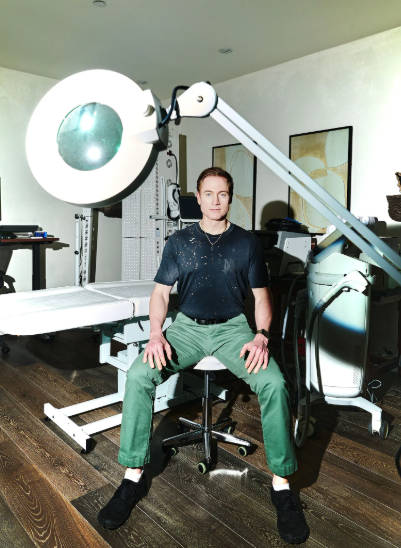
Bryan Johnson Blueprint cost figures have fascinated and bewildered observers since the tech entrepreneur launched Project Blueprint in 2020, reportedly spending $2 million annually to reverse biological aging. The 48-year-old founder who sold Braintree Venmo to PayPal for $800 million has transformed his body into what he calls “the most measured human organism in history.” This breakdown reveals exactly where those millions go and which elements deliver measurable results.
In November 2025, Blueprint raised $60 million from investors including Kim Kardashian and Paris Hilton, signaling mainstream interest in making Johnson’s protocols accessible beyond the ultra-wealthy. Understanding the cost structure helps separate essential investments from experimental luxuries.
The Full Blueprint Cost Structure
Medical Team and Oversight ($500,000-800,000/year)
Johnson employs a team of over 30 medical professionals including physicians, nutritionists, researchers, and data analysts. This team continuously monitors biomarkers, adjusts protocols, and researches emerging interventions. The American Council on Science and Health notes this infrastructure represents the largest single expense in the protocol.
For most individuals, quarterly consultations with a longevity-focused physician ($500-2,000 per visit) and annual comprehensive testing ($3,000-8,000) provide similar guidance without dedicated staff.
Diagnostic Testing ($100,000-200,000/year)
Johnson undergoes extensive monitoring including weekly blood panels, regular full-body MRI scans, continuous glucose monitoring, sleep tracking, and organ-specific biological age assessments. The frequency exceeds standard clinical recommendations substantially.
More accessible alternatives include quarterly comprehensive blood panels ($300-600), annual whole-body MRI ($1,500-3,000), and epigenetic age testing ($300-500). Wearables like Oura Ring ($300 plus subscription) or WHOOP ($30/month) provide continuous sleep and recovery data.
Supplement Stack ($15,000-25,000/year at peak)
Johnson once consumed over 100 pills daily from approximately 27-40 different supplements. His current stack is leaner following development of Blueprint Longevity Mix, which consolidates multiple compounds into powder and pill formats. Key categories include NAD+ precursors, omega-3 fatty acids, collagen peptides, and various antioxidants.
Blueprint’s consumer products now make core supplements accessible at approximately $200-400 monthly for the complete stack. Third-party alternatives can reduce costs to $100-200 monthly while covering foundational compounds like Vitamin D, fish oil, magnesium, and creatine.
Nutrition Program ($12,000-20,000/year)
Johnson’s meals are precisely calibrated: Super Veggie, Nutty Pudding, and rotating third meals totaling 2,250 calories consumed entirely between 6 AM and 11 AM. Ingredients include organic vegetables, specific nuts (macadamia, walnuts, Brazil nuts), high-quality olive oil, and carefully sourced proteins.
His Blueprint olive oil sells for $35 per bottle. However, the nutritional principles (time-restricted eating, plant-forward whole foods, adequate protein) cost nothing to implement. Quality ingredients for Johnson-inspired meals run $400-800 monthly at standard grocery prices.
Advanced Therapies ($200,000-500,000/year)
This category includes experimental interventions Johnson has tested over time. Hyperbaric oxygen therapy (HBOT) sessions cost $100-300 each; Johnson uses a personal chamber. Red light and near-infrared therapy equipment runs $500-5,000 for home devices. Intermittent hypoxia-hyperoxia training (IHHT) sessions cost $100-200 each at specialized facilities.
Johnson discontinued several expensive experiments after finding limited benefits. Plasma exchange with his son showed no measurable improvement. Growth hormone therapy caused elevated blood glucose and headaches. The willingness to abandon expensive interventions that don’t work distinguishes rigorous experimentation from blind spending.
What Blueprint Actually Delivers
Documented Results
Johnson claims biological age measurements younger than his chronological 48 years across multiple organs. His team publishes data showing reduced epigenetic age acceleration, improved cardiovascular markers, and optimized metabolic function. These results appear in his documentary “Don’t Die” on Netflix and regular social media updates.
However, critics note limitations. The American Council on Science and Health points out that Johnson’s results represent anecdotal evidence from a single test subject. No randomized controlled trials validate the full protocol. His exceptional baseline resources (time, money, motivation) make replication impractical for most people.
The 80/20 of Blueprint Results
Johnson himself acknowledges that foundational habits drive the majority of outcomes. His “Master These 5 Habits” framework prioritizes sleep, diet, exercise, relationships, and avoidance (of harmful substances and behaviors). These cost nothing to implement and represent the highest-impact interventions available.
Sleep optimization alone produces measurable improvements in nearly every health biomarker. Johnson’s strict 8:30 PM bedtime and sleep environment management require only commitment, not capital. Exercise protocols using bodyweight movements or basic equipment cost minimally compared to results delivered.
Building a Budget Blueprint
Tier 1: Foundation ($50-200/month)
Sleep optimization (free), time-restricted eating (free), resistance training (gym membership or home equipment), Zone 2 cardio (walking, cycling), and basic supplements (Vitamin D, fish oil, magnesium). This tier captures the majority of Blueprint’s functional benefits.
Tier 2: Optimization ($200-500/month)
Add Blueprint or comparable supplement stacks, wearable tracking (Oura, WHOOP, or Apple Watch), continuous glucose monitoring (Levels, Ultrahuman), and quarterly blood panels through services like InsideTracker or Function Health.
Tier 3: Advanced ($500-2,000/month)
Include home red light therapy devices, annual full-body MRI scans, epigenetic age testing, and consultations with longevity-focused physicians. This tier approaches diminishing returns but provides comprehensive data for those prioritizing optimization.
The Accessibility Shift
Blueprint’s $60 million funding round in November 2025 aims specifically at democratizing access. Johnson stated the company will combine medical testing, nutrition, prescriptions, and advanced therapies with an AI health companion designed to simplify decision-making. New CEO Gyre Renwick, formerly of Google Health and Lyft Healthcare, brings expertise scaling health platforms.
The consumer Blueprint Stack—including Longevity Mix, NAD+, and essential supplements—makes core protocol elements available for hundreds rather than millions annually. Whether this accessibility compromises effectiveness or represents appropriate distillation remains debated in longevity circles.
Critical Assessment
Bryan Johnson’s approach generates legitimate results alongside legitimate criticism. The data-driven methodology, willingness to abandon failed experiments, and transparency about protocols advance longevity science. The personal results, while unvalidated by clinical trials, provide interesting case study data.
However, the American Council on Science and Health warns against extrapolating single-subject findings to general recommendations. What works for a motivated multimillionaire with unlimited time and resources may not translate to typical circumstances. Some discontinued therapies (plasma exchange, growth hormone) were promoted before evidence revealed limited benefits.
The most defensible position treats Blueprint as inspiration rather than prescription. Extract principles validated by broader research (sleep, exercise, nutrition, stress management). Ignore expensive interventions lacking human trial support. Use the framework to guide personalized experimentation within realistic budgets.

The Science of Extending Your Healthspan
Longevity protocols have evolved from fringe biohacking experiments into a $30.56 billion global industry, with adoption accelerating among executives, entrepreneurs, and health-conscious individuals seeking to optimize both lifespan and healthspan. The Global Wellness Institute reports the broader wellness economy reached $6.8 trillion in 2024, with longevity-focused segments growing at nearly 10% annually. This comprehensive guide breaks down the evidence-based strategies, cutting-edge therapies, and practical frameworks that define modern longevity science in 2026.
Whether you’re exploring Bryan Johnson’s $2 million Blueprint protocol or seeking budget-friendly biohacks, understanding the foundational principles separating legitimate longevity science from marketing hype is essential. The protocols outlined here represent the convergence of decades of research, clinical application, and real-world results from the world’s most measured humans.
Understanding Healthspan vs. Lifespan
The distinction between living longer and living better drives modern longevity science. Dr. Peter Attia, Stanford-trained physician and author of the bestselling book “Outlive,” frames this as the difference between lifespan and healthspan. Healthspan represents the portion of life free from debilitating disease or disability.
Attia identifies what he calls the “Four Horsemen” of aging: heart disease, cancer, neurodegenerative conditions, and type 2 diabetes. These conditions account for the vast majority of deaths and disability in developed nations. Modern longevity protocols target these threats through early intervention rather than reactive treatment.
The Medicine 3.0 Framework
Traditional medicine operates reactively, treating symptoms after disease manifests. Medicine 3.0, as Attia describes it, shifts toward proactive, personalized intervention. This approach emphasizes prevention through lifestyle optimization, advanced diagnostics, and strategic interventions decades before traditional medicine would intervene.
The framework rests on four tactical pillars: exercise optimization, nutritional biochemistry, sleep architecture, and emotional health. Each pillar influences biological aging through distinct mechanisms, and neglecting any single element compromises overall protocol effectiveness.
The Foundational Longevity Pillars
Exercise as Medicine
VO2 max—the maximum rate at which your body uses oxygen during exercise—emerges as one of the strongest predictors of long-term survival. A 2018 JAMA Network Open study analyzing over 120,000 adults found that individuals with high VO2 max levels showed significantly lower all-cause mortality. Dr. Attia recommends targeting the top quartile for your age and gender.
Resistance training preserves muscle mass, which declines approximately 3-8% per decade after age 30. Research in Sports Medicine confirms that strength training represents the most effective intervention for slowing age-related muscle loss. Zone 2 cardio training improves mitochondrial density and insulin sensitivity, according to studies in Cell Metabolism.
Sleep Architecture Optimization
Sleep quality influences nearly every biomarker of aging. Bryan Johnson’s protocol prioritizes sleep above all other interventions, maintaining a consistent 8:30 PM bedtime that produces measurably younger biological markers. Poor sleep accelerates epigenetic aging, impairs glucose metabolism, and compromises immune function.
Effective sleep protocols include temperature regulation (cool sleeping environment), light exposure management (morning sunlight, evening blue light blocking), and consistent timing. Advanced practitioners track sleep stages using devices like the Oura Ring, optimizing for sufficient deep and REM sleep phases.
Nutritional Interventions
Time-restricted eating demonstrates consistent benefits across longevity research. Bryan Johnson consumes his daily calories between 6 AM and 11 AM, a compressed eating window that enhances autophagy and metabolic flexibility. His plant-forward diet emphasizes nutrient density while maintaining approximately 2,250 calories daily.
Protein optimization becomes increasingly important with age. Attia recommends targeting at least 1 gram of protein per pound of lean body mass, distributed across meals to maximize muscle protein synthesis. Quality sources include wild-caught fish, grass-fed meats, and plant proteins for those following vegetarian approaches.
Advanced Longevity Therapies
Epigenetic Age Testing
DNA methylation clocks provide the most accurate assessment of biological age currently available. Second-generation clocks like GrimAge predict mortality risk with remarkable precision, while newer tests like the IC Clock (developed in 2025) measure intrinsic capacity across six key functions: mobility, cognition, mental health, vision, hearing, and nutrition.
A December 2025 study in Nature Communications comparing 14 epigenetic clocks across 18,859 individuals found that second and third-generation clocks significantly outperform earlier versions in predicting disease outcomes. Tests from providers like TruAge and Elysium Health typically cost $300-500 and require a simple blood draw.
Peptide Therapies
Peptide protocols represent an emerging frontier in longevity medicine, though regulatory status varies. BPC-157, derived from gastric proteins, shows promise for tissue repair in preclinical studies. Thymosin Beta-4 (TB-500) promotes wound healing and cellular regeneration in animal models.
However, the FDA has restricted compounding of many peptides including BPC-157, CJC-1295, and TB-500, citing limited human safety data and potential risks. A 2025 systematic review in HSS Journal identified only one clinical study on BPC-157 for knee pain. Anyone considering peptide therapy should work with qualified medical professionals and understand the investigational nature of these compounds.
NAD+ and Cellular Energy
Nicotinamide adenine dinucleotide (NAD+) levels decline with age, affecting cellular energy production and DNA repair. Precursors like NMN (nicotinamide mononucleotide) and NR (nicotinamide riboside) may support NAD+ levels, though human data on longevity outcomes remains limited.
Bryan Johnson includes NAD+ precursors in his supplement stack, tracking their effects through regular blood panels. Clinical trials examining NR supplementation in heart failure and long COVID are ongoing, with results expected to clarify therapeutic applications.
Longevity Protocol Cost Spectrum
Elite-Tier Protocols ($50,000+/year)
Bryan Johnson’s full Blueprint protocol represents the upper bound, reportedly costing $2 million annually at its peak. This includes a team of 30+ medical professionals, daily biomarker tracking, hyperbaric oxygen therapy, whole-body MRI scans, and experimental interventions. His supplement stack alone once contained over 100 pills daily, now condensed into more efficient formulations.
Executive-Tier Protocols ($8,000-50,000/year)
Human Longevity Inc. offers comprehensive executive health assessments starting at $8,000, including whole genome sequencing, full-body MRI, cardiac imaging, and advanced biomarker panels. Longevity clinics like Fountain Life and Forward provide membership models combining diagnostics with personalized intervention plans.
Accessible Protocols ($200-2,000/year)
Foundational longevity practices require minimal financial investment. Sleep optimization costs nothing beyond commitment. Time-restricted eating is free. Resistance training requires basic equipment or a gym membership. Quality supplements (Vitamin D, omega-3s, magnesium, creatine) run $50-100 monthly when purchased wisely.
Building Your Personal Protocol
Step 1: Establish Baseline Measurements
Before implementing any protocol, obtain baseline data. Standard blood panels assessing lipids, glucose metabolism, inflammation markers, and hormone levels provide starting points. Advanced practitioners add DEXA scans (body composition), coronary calcium scores (cardiovascular risk), and epigenetic age tests.
Step 2: Prioritize the Fundamentals
Focus first on the highest-impact, lowest-cost interventions: optimize sleep timing and environment, implement consistent exercise combining Zone 2 cardio with resistance training, and establish nutritional patterns emphasizing whole foods and adequate protein.
Step 3: Track and Iterate
Effective protocols require measurement. Wearables like Oura Ring or WHOOP track sleep and recovery. Continuous glucose monitors reveal individual responses to foods. Regular blood panels confirm whether interventions produce desired outcomes. Adjust based on data, not assumptions.
The Future of Longevity Science
The longevity field evolves rapidly. Senolytics—drugs that clear senescent “zombie” cells—show promise in clinical trials. Gene therapies targeting aging pathways advance through regulatory processes. AI-driven personalization enables increasingly precise interventions based on individual genomics and real-time biomarker data.
The Global Wellness Institute projects the wellness economy will reach $9.8 trillion by 2029, with longevity and biohacking segments among the fastest-growing categories. Traditional and complementary medicine, which encompasses many longevity approaches, is forecast to grow at 10.8% annually.
However, the most impactful interventions remain accessible. As Bryan Johnson himself acknowledges, sleep stands as the most powerful longevity tool—and it’s completely free. The hierarchy of evidence supports foundational behaviors before advanced therapies: optimize sleep, exercise consistently, eat well, manage stress, maintain relationships. These fundamentals account for the majority of healthspan variance.
Key Takeaways for Longevity Optimization
Longevity protocols represent a spectrum from free behavioral changes to million-dollar experimental regimens. The evidence consistently supports prioritizing sleep quality, regular exercise combining cardio and resistance training, nutrient-dense nutrition with adequate protein, and stress management. Advanced diagnostics help identify individual risk factors and track intervention effectiveness.
Whether implementing Bryan Johnson’s comprehensive Blueprint, Peter Attia’s Medicine 3.0 framework, or budget-friendly biohacking strategies, the goal remains consistent: extending healthspan to match lifespan, maintaining cognitive and physical function through later decades. The field continues evolving, but foundational principles remain stable. Start with what’s proven, measure what matters, and adjust based on your individual data.

How I saved $60,000 on dental implants in Brazil—and discovered why environment is the most…